

External Braces vs Traditional AFOs
A Clinical Comparison

THE SHORT ANSWER
Traditional AFO adherence rates hover around 63%, meaning 37% of patients struggle with compliance. Common complaints include heat/sweating (87%), need for larger shoes, discomfort (55%), and cosmetic concerns (42%). External braces address these issues by attaching outside the shoe, allowing normal footwear, better ventilation, and adjustable support.
Traditional ankle-foot orthoses have been the standard treatment for drop foot for decades. While effective at supporting the ankle, documented limitations have driven non-compliance rates that undermine clinical effectiveness. External brace designs represent an evolution specifically targeting these barriers.
Why Traditional AFOs Have Low Compliance

Heat, Sweating, and Skin Issues
Traditional plastic AFOs create a warm, moist environment around the foot and ankle:
- 87% of AFO users report sweating issues
- 20-30% experience skin irritation, rubbing, or blistering
- Restricted airflow predisposes to fungal infections
- Particularly problematic for MS patients with heat sensitivity

Shoe Limitations
Traditional AFOs require significant footwear modifications:
- Shoes 0.5-1 size larger to accommodate brace
- Limited style options
- Increased footwear costs
- Cannot wear sandals, dress shoes, or most boots
- Patients report AFOs "hinder their sartorial style"

Discomfort and Bulk
- 55% express dissatisfaction with comfort
- 50% dissatisfied with effectiveness
- 42% dislike appearance
- Patients describe traditional AFOs as "ugly, bulky, and uncomfortable"

The Compliance Problem
Research shows AFO adherence rates vary from 6% to 80% depending on the population. In stroke patients specifically, adherence is approximately 63%, meaning 37% fail to engage with prescribed orthotic management.
Among non-compliant users, 80% cite discomfort and cosmetic unacceptability as reasons for non-use. One study found 1 in 15 prescribed AFOs was not used at all.

How External Braces Address These Issues
Outside-the-Shoe Design
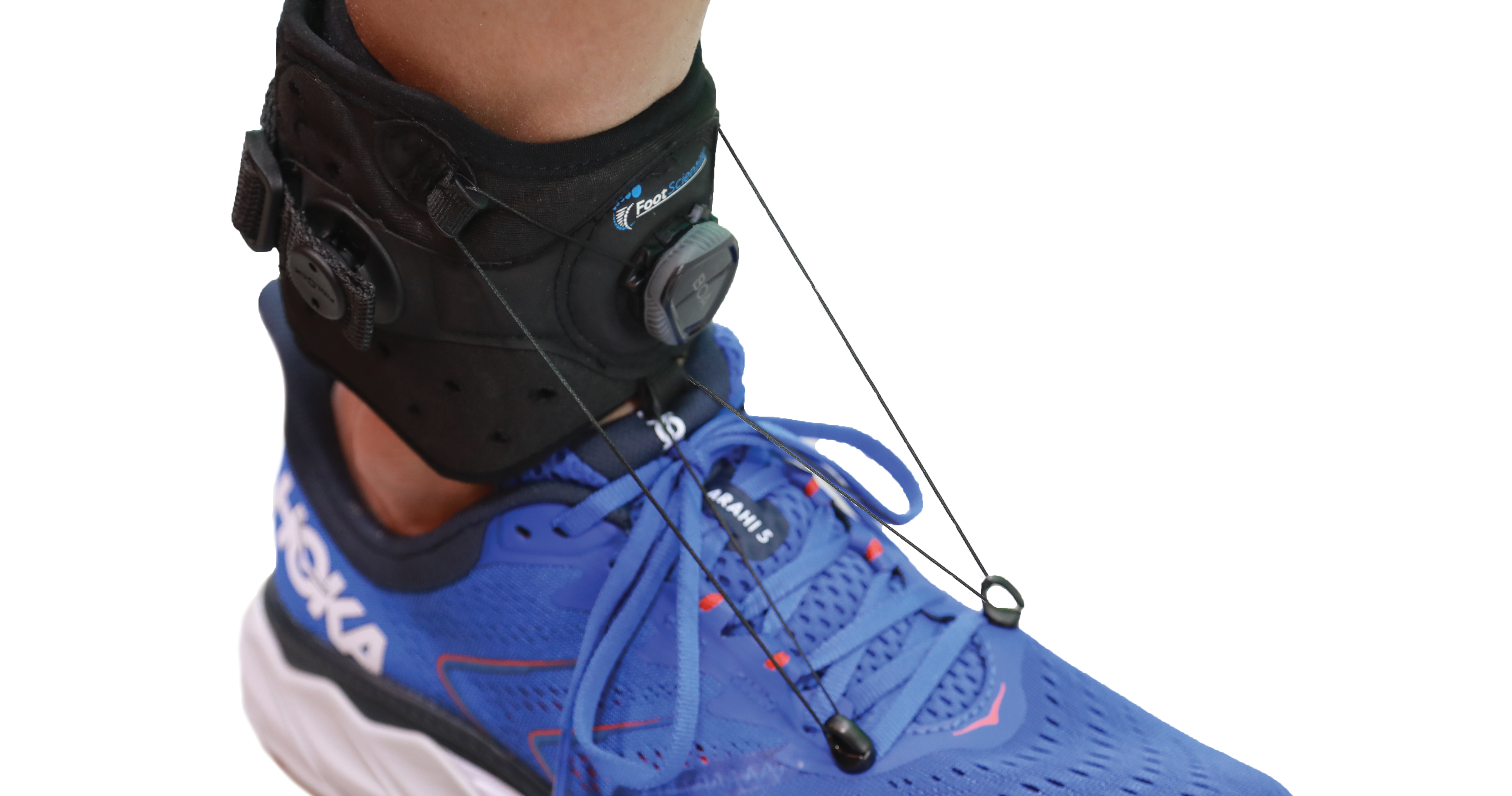
External braces attach to the outside of footwear rather than fitting inside. This architectural difference provides immediate advantages:
- Normal footwear: Works with existing shoes, sandals, boots, dress shoes
- Better ventilation: Open design addresses the 87% sweating complaint
- Faster donning: No shoe insertion required
- Lower visual profile: Less noticeable than traditional AFOs

Adjustability Throughout the Day
Traditional AFOs provide fixed, non-adjustable support. External braces with dial adjustment systems allow:
- Real-time modification based on activity
- Increased support for challenging terrain
- Reduced support during rest periods
- Adaptation as fatigue increases (critical for MS patients)

Lightweight Construction
Weight directly affects fatigue and wearing tolerance:
- Carbon fiber AFOs are 50% lighter than plastic equivalents
- 67% of stroke patients preferred carbon fiber in trials
- External braces designed specifically to minimize weight
BOA Technology in Medical Bracing
The BOA Fit System, originally developed for athletic footwear, has expanded into medical devices including prosthetics and orthotics.
How BOA Works
- Dial mechanism: Micro-adjustable increments for precise fit
- Lace/cord system: High-strength cables distribute pressure evenly
- Quick release: Pull dial outward for instant release
- One-hand operation: Critical for patients with hand weakness

Benefits for Drop Foot Bracing
- Micro-adjustable dorsiflexion control
- Secure fit that does not loosen over time
- Reduced pressure points compared to Velcro or buckles
- Easier adjustment for patients with dexterity limitations
The Elevate Drop Foot Brace
Designed by board-certified orthopedic surgeon Dr. Rob Faux, the Elevate incorporates these principles:

- External design: Attaches outside the shoe via eyelet hook kit
- BOA dial: Micro-adjustable dorsiflexion with one-hand operation
- Spectra cord: High molecular density polyethylene for durability
- 8 oz weight: Lightweight to minimize fatigue
- Memory foam calf pad: Comfort against skin
- Universal shoe compatibility: Sneakers, boots, sandals, dress shoes


Frequently Asked Questions
Research shows 37% of AFO users struggle with compliance. The main reasons are discomfort (55%), heat/sweating (87%), shoe limitations, and cosmetic concerns (42%). External braces address many of these issues through outside-the-shoe design, better ventilation, and normal footwear compatibility.
Yes. Because external braces attach outside the footwear, they can work with sandals that have secure straps for the brace to hook onto. Traditional AFOs that fit inside shoes cannot be worn with sandals.
BOA is a micro-adjustable dial system using high-strength cables for precise fit control. Originally developed for athletic footwear, it is now used in prosthetics and orthotics. The dial allows one-handed adjustment, secure fit that does not loosen, and quick release by pulling the dial outward.
External braces provide dorsiflexion assistance to prevent foot drop during walking. They are designed for patients who need help lifting the foot but do not require the rigid medial-lateral ankle support of a solid AFO. Patients with severe spasticity or significant ankle instability may still benefit from traditional AFOs.


ELEVATE DROP FOOT BRACE
External design | BOA micro-adjustment | Works with your existing shoes
Addressing the comfort and compliance issues of traditional AFOs
Designed by Dr. Rob Faux, Board-Certified Orthopedic Surgeon
Shop Elevate Drop Foot Brace →Sources
1. AFO adherence research: 63% compliance, 87% sweating complaints.
2. Patient satisfaction studies: 55% comfort dissatisfaction, 42% appearance concerns.
3. BOA Fit System documentation and medical device applications.
Medically reviewed by Dr. Rob Faux, Board-Certified Orthopedic Surgeon