

How Athletes Use FootScientific to Train Harder and Compete Pain-Free

Harvey's car accident was 35 years ago. Drop foot seemed permanent.
Now he runs on the treadmill for 60 minutes straight.
Anastasia was #1 in the world at tennis. Broken bones in her feet threatened to end her career. Now she teaches 35-45 hours a week on court.
Whatever your sport, whatever is holding you back, there's a solution.
The Problem: When Your Feet Hold You Back
Athletes push harder than anyone. That's what makes you an athlete. But your feet take the punishment.
Runners log hundreds of miles. Tennis players pivot and sprint for hours. Basketball players jump and land over and over. Dancers put their entire body weight on the balls of their feet.
When your biomechanics are off, all that stress goes to the wrong places. Plantar fasciitis. Shin splints. Ankle sprains. Knee pain. Eventually something gives.
The standard advice? Rest. Ice. Maybe some generic drugstore insoles. But you didn't become an athlete by sitting on the sidelines.
The FootScientific Solution: Correct the Cause, Not Just the Symptoms
FootScientific makes two product lines for athletes: Arches Orthotics for biomechanical correction and the Elevate 360° brace for drop foot.
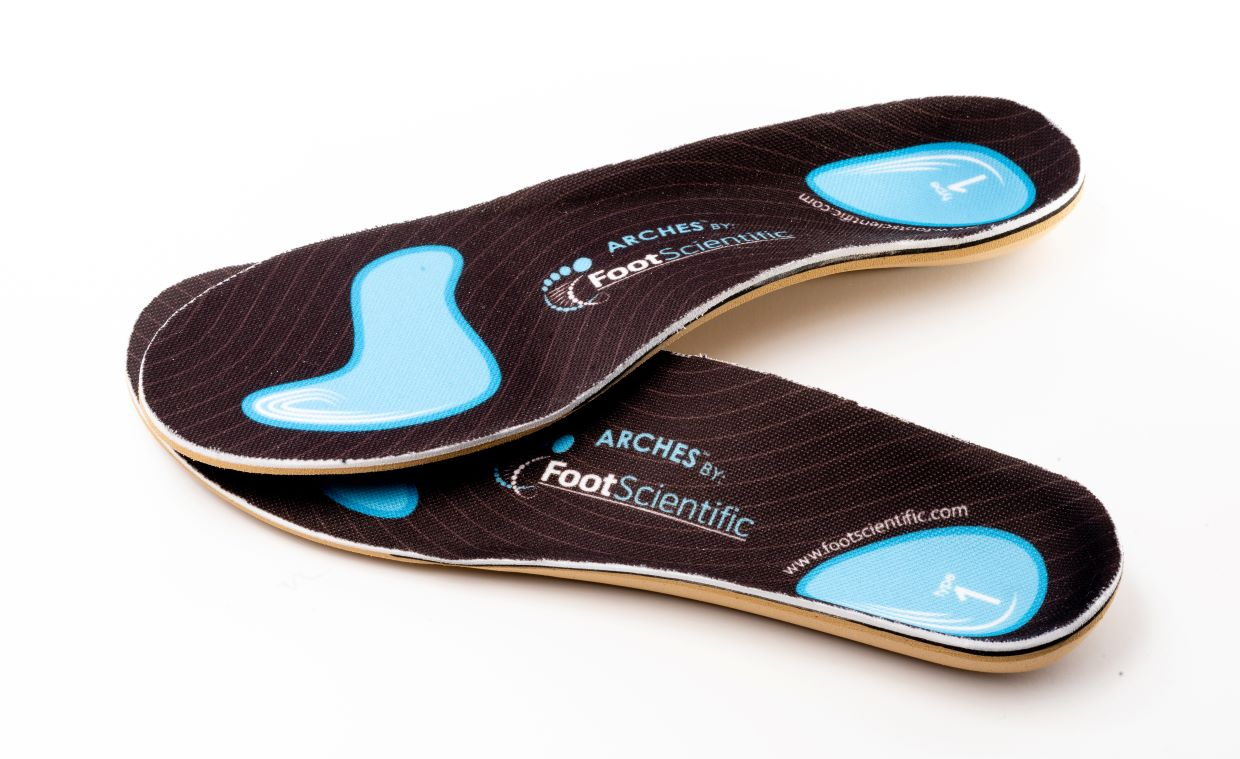
Arches Orthotics come in three types matched to your foot mechanics. Type 1 for flat feet and overpronation. Type 2 for neutral feet. Type 3 for high arches and supination. Each uses specific wedge geometry to bring your foot to neutral. No more stress concentrating where it shouldn't.
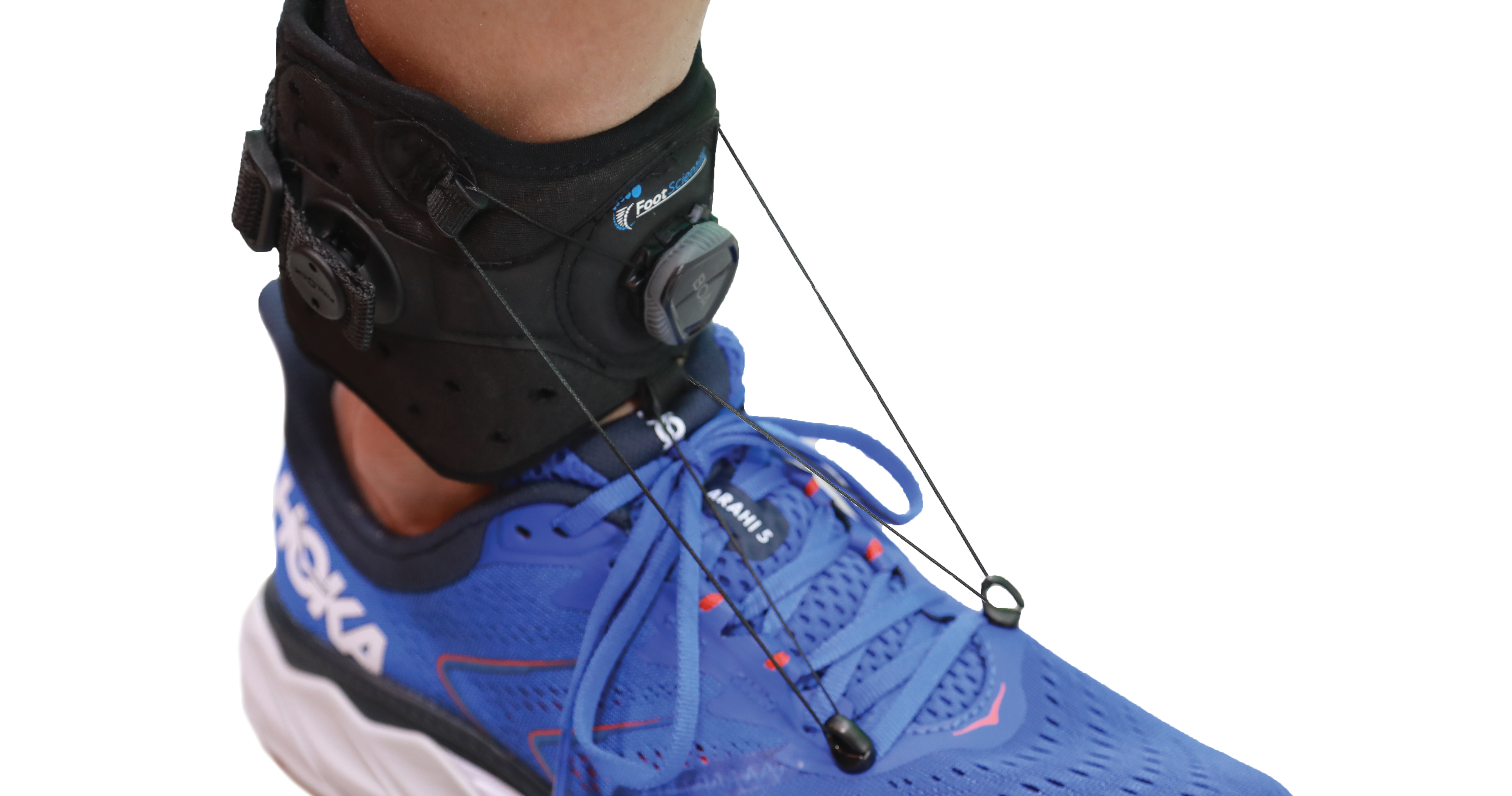
The Elevate 360° is for athletes dealing with drop foot. External design. Adjustable tension. Works with any athletic shoe. Unlike rigid AFOs that lock your ankle and kill your performance.
Runners
Alyse Buchanan: 10-Mile Runs, Zero Pain
Alyse runs 20+ miles a week. Often 10 miles in a single session. When sharp pain started interrupting her training, she needed answers fast.
"Sometimes it would get so bad that I would have to rest my feet for a few days before running again, which interrupted my exercise regimen. As a very athletic person, not being able to run is a very big deal."
She matched her flat feet to the Type 1 orthotic. The change was immediate.
"I must say WOW! The change was incredible! No more pain, AT ALL! I can do my long runs of 10 miles without stopping, and afterwards, my feet feel completely normal! I noticed the drastic difference after the very first time of wearing these orthotic insoles."
"I would recommend these to ANYONE! Especially runners!"
- Alyse Buchanan, Salt Lake City, UT

Harvey: 35 Years Later, Running Again
Some injuries seem permanent. Harvey's drop foot from his car accident was 35 years old. Three and a half decades of limitations.
Then he found the Elevate:
"It's been 35 years since my auto accident... drop foot is no longer a problem. I am now able to run on the treadmill for 60 minutes."
Read that again. Thirty-five years. Now running for an hour.
- Harvey, Amazon Review, May 2015
Kirt Breaux: 290 lbs, Jogging Again
Kirt needed to exercise to lose weight. His drop foot from a motor vehicle accident made that nearly impossible. He broke three braces trying.
"After I went through (broke) 3 previous braces recommended by my doctor, I decided to give Elevate a go. It has changed everything for me."
"At 290lbs, I can jog/walk a 16 minute mile with the aid of the Elevate Drop Foot Brace. The first brace held up for a solid year with my active lifestyle."
- Kirt Breaux
Tennis
Anastasia Surkova: World-Ranked Player Back on Court
Anastasia's tennis resume speaks for itself: #1 in the world at 14, Junior's Australian Open, Wimbledon, BYU scholarship. But high arches and overuse caught up with her.
"My junior year at BYU I found out that my sesamoid bones in my feet were broken and split into little pieces, probably from overuse and that I also have a high arch. I had a foot surgery on my right foot."
Now she teaches tennis 35-45 hours a week. Modern tennis shoes prioritize lightness over support. Her high arches need more.
"I put the orthotics in immediately and even though my feet were still achy, I felt the support in all the spots that I need, especially in my high arch. I taught for a total of 10.5 hours today, but as I wore the orthotics for the last couple of hours and just took them off, I feel instant relief."
"I honestly felt instant relief, after having acute pain today."
- Anastasia Surkova, Former #1 World Junior Tennis
Basketball
Mason Ming: Shin Splints Gone
Mason plays basketball 3-4 times a week. Shin splints were forcing him to cut back.
"I normally play basketball 3 or 4 times a week but had to cut back once I started getting shin splints. After putting new Type 3 FootScientific insoles into my basketball shoes, I was able to play 4 times a week without any sign of shin splints or any of the pain that I felt before."
- Mason Ming
Dance & Fitness
Linda Schmidt: Dancing More at 50+
Linda is a dancer and fitness enthusiast over 50. Peroneal tendinitis was limiting her. One orthopedist told her to "act her age."
She didn't listen.
"I did not stop dancing. Instead I did research online and found out that foot supination might be a contributing factor for peroneal tendinitis. A podiatrist recommendation online led me to FootScientific Cavovarus Orthotics Type 3 for Supination."
"These may be even better than a prescription orthotic. I put them into my dance shoes and found I could dance more and better with no foot pain. I just ordered my second pair today."
- Linda Schmidt
Expert Insight: Dr. Rob Faux
Dr. Rob Faux, MD | Board-Certified Orthopedic Surgeon
"Athletes present a unique challenge. They won't accept 'rest and ice' as a long-term solution. They need to perform.
The key is addressing root cause, not just managing symptoms. When Alyse's flat feet caused her running pain, the Type 1 orthotic corrected her pronation. When Anastasia's high arches created stress fractures, the Type 3 provided the lateral correction she needed.
For athletes with drop foot like Harvey and Kirt, the Elevate's adjustable tension is critical. They can dial in exactly the support they need for their specific activity level. A rigid AFO would never allow Harvey to run for 60 minutes.
The common thread? Biomechanical solutions that work with athletic movement, not against it."
Which Product Do You Need?
For Foot Pain, Shin Splints, Plantar Fasciitis:
Arches Orthotics. Take the wet footprint test to determine your type. Full footprint = Type 1 (flat feet). Very thin middle = Type 3 (high arches). Something in between = Type 2 (neutral).
For Drop Foot:
Elevate 360° brace. Works with any athletic shoe. Adjustable tension for different activities. External design means nothing interfering with your movement.
Ready to Perform Without Limits?
Don't let foot problems keep you from the sport you love. Whether you need biomechanical correction with Arches Orthotics or drop foot support with the Elevate 360°, FootScientific has you covered.
60-Day Satisfaction Guarantee + Free Returns
Shop at footscientific.com or find us on Amazon.
Not sure which product you need? Take our free foot type quiz or email admin@footscientific.com.
Common Questions
The opposite. When your foot mechanics are corrected, you waste less energy on compensation. Alyse went from pain interrupting her runs to 10 miles with feet feeling "completely normal."
Yes. Anastasia uses them in modern tennis shoes that prioritize lightness. Just remove the factory insole and replace with the Arches orthotic. The slim profile fits most athletic footwear.
Kirt weighs 290 lbs and jogs regularly. His Elevate lasted a full year before he ordered a backup. The orthotics use cork and foam construction designed for durability.
Mason plays basketball 4 times a week. All that jumping, pivoting, and landing. His shin splints disappeared with the Type 3. The orthotics handle high impact just fine.
Harvey's injury was 35 years old. Linda is over 50 and dancing more than ever. It's not about age. It's about giving your body the mechanical support it needs.