

Why Do My Heels Hurt When I First Wake Up?
You swing your legs out of bed, plant your feet on the floor, and the first step sends a stabbing pain through your heel. By the time you walk to the bathroom, it starts to ease up. An hour later, you have almost forgotten about it.
Then tomorrow morning, it happens again.
This pattern of morning heel pain that improves with activity is one of the most distinctive symptoms in all of foot medicine. If this describes your experience, you are almost certainly dealing with a condition affecting your plantar fascia. And understanding why this pain happens at this specific time can change how you approach treatment
What Happens to Your Foot While You Sleep
During sleep, your foot naturally relaxes into a pointed position. Your toes angle downward, your ankle drops, and all the muscles and connective tissue on the bottom of your foot shorten and contract.
The plantar fascia is a thick band of tissue that runs from your heel to the base of your toes. It supports your arch and acts like a spring during walking. When you sleep with your foot pointed, all tension on this tissue is released. Over the course of 6 to 8 hours, it shortens and tightens.
Your calf muscles do the same thing. The gastrocnemius and soleus muscles connect to your heel bone through the Achilles tendon, and research published in American Family Physician confirms that these structures form a biomechanical continuum with the plantar fascia. When your calf muscles shorten overnight, they increase tension on the Achilles tendon, which in turn tightens the plantar fascia.
This overnight shortening is completely normal. It happens to everyone. The problem arises when your plantar fascia is already damaged or degenerated.

Why the First Steps Hurt
When you stand up in the morning, several things happen simultaneously.
Your foot suddenly has to support your full body weight. Your ankle moves from a pointed position to a flexed position. Your toes press against the floor and pull back. All of this forces your plantar fascia to rapidly stretch from its shortened overnight state to its full functional length.
In healthy tissue, this happens without any problem. But in tissue that is already damaged, this sudden stretch causes acute pain.
Research published in the Journal of the American Podiatric Medical Association has shown that chronic plantar heel pain involves tissue degeneration rather than inflammation. The collagen fibers that make up the plantar fascia become disorganized and fragmented. They lose their normal structure and tensile strength.
During the night, your body attempts to heal these microtears. But the healing occurs while the tissue is in a shortened, contracted position. When you take that first step in the morning, the sudden stretch can re-tear this healing tissue.
According to research in StatPearls, this re-injury mechanism explains why the pain is most intense immediately upon weight-bearing. You are literally disrupting the overnight repair process with each morning step.

The Medical Term You Should Know
Doctors call this pattern "post-static dyskinesia." It refers to pain that occurs after a period of rest. The word breaks down simply: "post" means after, "static" refers to rest or inactivity, and "dyskinesia" refers to painful or abnormal movement.
Post-static dyskinesia is characteristic of plantar fascia problems, though it can occur in other conditions like Achilles tendinopathy and certain types of arthritis. What makes plantar fascia pain distinctive is that it typically improves as you continue walking. The tissue warms up, loosens, and becomes more flexible.
This improvement-with-activity pattern helps distinguish plantar fascia problems from other causes of heel pain.

How This Symptom Guides Diagnosis
Morning first-step pain is highly characteristic of plantar fasciitis (or more accurately, plantar fasciosis), but it is not the only condition that causes heel pain in the morning.
A study published in Annals of Rehabilitation Medicine compared the symptom patterns of plantar fasciitis versus fat pad atrophy. The researchers found that first-step morning pain was present in 88% of plantar fasciitis patients. However, 43% of patients with fat pad atrophy also experienced morning pain.
The key diagnostic difference is what happens next. With plantar fascia problems, the pain improves as you walk around. With other conditions, the pattern is different.
Plantar fasciitis: Pain is worst with first steps, improves with activity, then may worsen again after prolonged standing or walking.
Tarsal tunnel syndrome: According to Stanford Medicine, this nerve compression condition causes pain that worsens with activity rather than improving. Symptoms include burning, tingling, or numbness in addition to pain.
Fat pad atrophy: Research shows this condition is more likely to cause bilateral pain (both heels) that worsens with prolonged standing. It is 14 times less likely to present with first-step morning pain compared to plantar fasciitis.
Achilles tendinopathy: The pain is located at the back of the heel rather than the bottom, and it does not improve with activity the way plantar fascia pain does.
Calcaneal stress fracture: Pain progressively worsens with activity rather than improving. The heel bone itself is tender when squeezed from the sides.
The 2023 clinical practice guidelines from the Journal of Orthopaedic & Sports Physical Therapy emphasize that accurate diagnosis requires more than just noting morning pain. Clinicians should check for tenderness at the medial calcaneal tubercle (the inner side of your heel bone where the fascia attaches), perform a windlass test (passive dorsiflexion of your big toe to reproduce pain), and rule out other conditions through appropriate examination.

What Actually Helps Morning Heel Pain
Understanding the mechanism behind morning pain points directly to effective solutions. If the problem is overnight shortening followed by sudden re-stretching, the logical approaches are to either prevent the shortening or reduce the abruptness of the stretch.
Night Splints
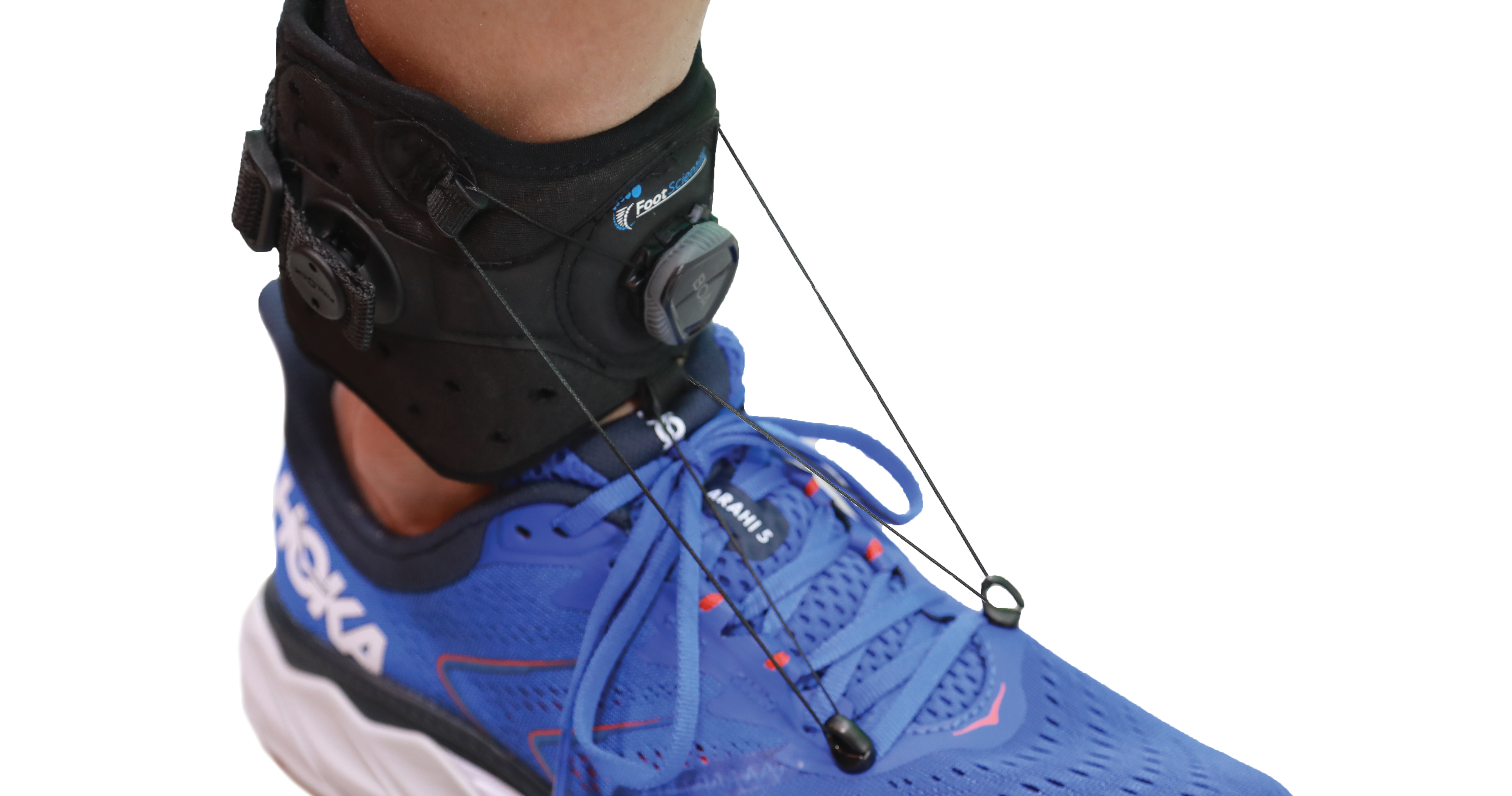
Night splints hold your ankle in a neutral or slightly flexed position during sleep, preventing your plantar fascia from shortening overnight. The idea is that if the tissue does not contract, there is no sudden stretch to cause pain in the morning.
A randomized controlled trial published in the American Journal of Sports Medicine found that when night splints were combined with other treatments (stretching, heel cushions, and anti-inflammatory medication), 97% of patients achieved resolution of symptoms compared to 35% with other treatments alone.
However, a larger trial published in Foot and Ankle International with 116 patients found no statistically significant difference when night splints were added to standard care. The 2023 APTA guidelines still recommend night splints, but specifically for patients who "consistently have pain with the first step in the morning."
The reality is that night splints work for some people and not others. Patient compliance is a significant issue because sleeping with a device on your foot is uncomfortable.
Morning Stretching Before You Stand Up
This is one of the most effective and practical interventions. Before you get out of bed, spend a few minutes stretching your plantar fascia and calf muscles while still sitting or lying down.
A landmark study published in the Journal of Bone and Joint Surgery followed patients for 2 years and found that plantar fascia-specific stretching produced marked decreases in pain. At 2-year follow-up, 92% of patients reported satisfaction with their treatment.
A systematic review in BMC Sports Science, Medicine and Rehabilitation found that plantar fascia stretching demonstrated a large effect size (SMD: 1.21) for reducing first-step pain in the short term. This was actually superior to more expensive treatments like shockwave therapy for this specific symptom.
The most effective technique involves pulling your toes back toward your shin while seated. This directly stretches the plantar fascia. Doing this before your first steps of the day gradually elongates the tissue rather than forcing a sudden stretch.
Orthotics During the Day
While orthotics do not directly address the overnight shortening that causes morning pain, they reduce the cumulative stress on your plantar fascia throughout the day. This gives the tissue a better chance to heal.
A 2025 meta-analysis examining 8 randomized controlled trials found that orthotics significantly alleviated pain compared to control groups. The 2023 APTA guidelines note that orthotics should be used in combination with other treatments rather than as isolated therapy.
Research published in Foot and Ankle International found that prefabricated orthotics actually outperformed custom orthotics for initial treatment of plantar fasciitis, with improvement rates of 81-95% for prefabricated inserts compared to 68% for custom devices.
One study in the Journal of Foot and Ankle Research found that combining orthotics with orthotic sandals worn at home provided greater symptom relief than orthotics alone. This makes sense when you consider that morning and evening pain often occur when people are barefoot at home.

Choosing the Right Orthotic for Your Foot Type
The research is clear: orthotic effectiveness depends on matching the device to your specific foot mechanics. A flat foot that overpronates needs completely different support than a high-arched foot that supinates.
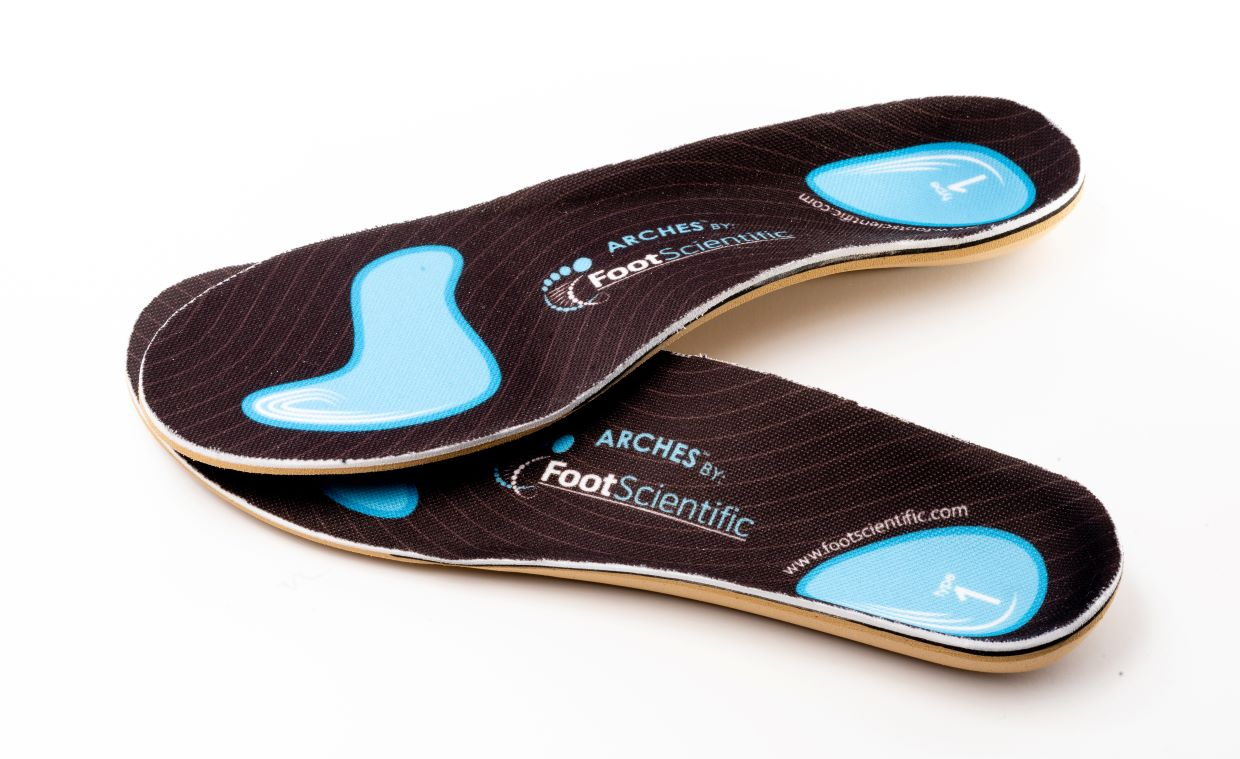
This is why FootScientific designed three distinct orthotic types rather than a one-size-fits-all product:
Type 1 – For Flat Feet (Overpronation) If your arch collapses when you stand, your plantar fascia is being stretched with every step. Type 1 orthotics include a 3° medial heel post that tilts your foot slightly outward, countering excessive pronation. Research shows medial posting accounts for 25.5% of the variance in pressure reduction for flat feet.
Type 2 – For Neutral Feet If your foot mechanics are relatively normal, you need balanced support without aggressive correction. Type 2 provides moderate arch support with additional shock-absorbing layers for all-day comfort.
Type 3 – For High Arches (Supination) If your rigid, elevated arch concentrates pressure at your heel and ball of foot, you need pressure redistribution rather than correction. Type 3 includes a 3° lateral heel post and first metatarsal relief to spread pressure more evenly.
A study in Foot and Ankle International found that prefabricated orthotics matched to foot type achieved improvement rates of 81-95%—actually outperforming $400-600 custom orthotics. The key is getting the match right.
Not sure which type you need? The wet test takes 30 seconds: wet your foot, step on dark paper, and look at your footprint. A full footprint means flat feet (Type 1). Only heel and ball visible means high arches (Type 3). Moderate curve means neutral (Type 2).

Combined Approaches
The evidence consistently shows that combining treatments works better than any single intervention.
A study published in the Journal of the American Podiatric Medical Association compared orthotics alone versus orthotics plus night splints. The combination group showed significantly reduced pain scores at 2 weeks and 8 weeks, while the orthotics-only group showed no statistical improvement.
Research in the Journal of Orthopaedic & Sports Physical Therapy found that adding manual therapy (trigger point release) to a stretching protocol produced greater pain reduction than stretching alone.
The best practice guide from a systematic review of 51 trials recommends a stepped approach: start with stretching, taping, and education. If that does not provide adequate relief, add shockwave therapy. If still insufficient, add orthotics. This acknowledges that different patients respond to different treatments.
Practical Morning Routine
Based on the research, here is what helps most people with morning heel pain:
Before getting out of bed:
-
While still lying down, pull your toes back toward your shin and hold for 30 seconds. Repeat 3 times.
-
With your leg extended, loop a towel around the ball of your foot and gently pull back to stretch your calf. Hold 30 seconds. Repeat 3 times.
-
Massage the arch of your foot with your thumbs for 1-2 minutes.
First steps: 4. Keep supportive shoes or sandals with arch support next to your bed. Put them on before standing. 5. Take your first steps slowly and carefully.
Throughout the day: 6. Avoid going barefoot, especially on hard floors. 7. Use orthotics in your shoes matched to your foot type. 8. Stretch your calves and plantar fascia 2-3 times during the day.

When Morning Pain Signals Something More
Morning heel pain that improves with activity and responds to stretching and support is typically manageable without medical intervention. However, certain patterns warrant professional evaluation.
See a healthcare provider if:
-
Pain does not improve or worsens with walking (may indicate stress fracture or other condition)
-
You experience numbness, tingling, or burning sensations (may indicate nerve involvement)
-
Pain is present in both heels and worsens with prolonged standing (may indicate fat pad atrophy)
-
Symptoms have not improved after 6-8 weeks of consistent stretching and support
-
Pain is severe enough to significantly limit your daily activities
The 2023 clinical guidelines note that imaging is not necessary initially if symptoms match the typical pattern of plantar fascia problems. However, if conservative treatment fails or the presentation is atypical, ultrasound or MRI can help confirm the diagnosis. Ultrasound showing plantar fascia thickness greater than 4mm has 96% sensitivity and 100% specificity for plantar fasciitis according to research in BMC Musculoskeletal Disorders.
The Bottom Line
Morning heel pain is your body telling you something specific: your plantar fascia is shortening overnight and being traumatically stretched when you stand up. This is not mysterious or random. It follows a predictable physiological pattern.
The solutions follow logically from understanding the problem. Prevent overnight shortening with night splints. Reduce the abruptness of the morning stretch with pre-standing stretches. Support the tissue during the day with appropriate orthotics. Give it time to heal.
For most people, this combination resolves the problem over weeks to months. The key is consistency. Your plantar fascia did not become damaged overnight, and it will not heal overnight either. But understanding why your heels hurt in the morning is the first step toward making them stop.
Frequently Asked Questions
Expert answers from Dr. Rob Faux, Board-Certified Orthopedic Surgeon
As you walk, your plantar fascia gradually stretches and warms up, becoming more flexible. The tissue that was shortened and stiff overnight loosens with movement.
This improvement-with-activity pattern is characteristic of plantar fascia problems and actually helps distinguish them from other conditions. If your heel pain gets worse as you walk (rather than better), that suggests something other than plantar fasciitis may be going on.
The medical term for this pattern is "post-static dyskinesia"—pain that occurs after a period of rest. It's one of the most reliable diagnostic signs of plantar fascia involvement.
Night splints can help by preventing your plantar fascia from shortening overnight. They hold your ankle in a neutral or slightly flexed position during sleep.
The 2023 APTA clinical guidelines specifically recommend night splints for patients who "consistently have pain with first steps in the morning." One study found that when night splints were combined with other treatments, 97% of patients achieved resolution compared to 35% with other treatments alone.
However, compliance is the challenge. Sleeping with a device on your foot is uncomfortable, and many people stop using them. Some people find morning stretching before standing to be equally effective and easier to maintain.
If you try a night splint and can tolerate it, it may help. If you can't sleep with it, focus on the pre-standing stretches instead.
Morning heel pain is highly characteristic of plantar fascia problems, but it's not unique to them.
Research shows that 88% of plantar fasciitis patients have morning first-step pain. However, 43% of patients with fat pad atrophy also experience morning symptoms. Other conditions like tarsal tunnel syndrome and Achilles tendinopathy can cause morning heel discomfort too.
The key distinguishing feature is what happens next:
- Plantar fasciitis: Pain improves as you continue walking
- Tarsal tunnel syndrome: Pain worsens with activity, plus burning/tingling
- Fat pad atrophy: Often affects both heels, worsens with prolonged standing
- Stress fracture: Pain progressively worsens with activity
If your morning pain improves with walking and you have tenderness at the inner part of your heel, plantar fasciitis is the most likely culprit.
With consistent treatment including stretching and appropriate support, many people notice improvement within 2-4 weeks. However, complete resolution often takes several months.
A landmark 2-year follow-up study found that 92% of patients who maintained stretching protocols reported satisfaction with their outcomes. The key word there is "maintained"—consistency matters more than intensity.
For the support component, research shows combining stretching with orthotics matched to your foot type works better than either alone. FootScientific's Arches Orthotics are designed to reduce cumulative stress on your plantar fascia throughout the day, giving the tissue a better chance to heal.
If you see no improvement after 6-8 weeks of consistent stretching and support, something isn't working. Either you need a different approach, or there may be another condition involved that needs evaluation.
Learn more about treatment timelines: Why Your Plantar Fasciitis Won't Heal
For most people, no. Research consistently shows that quality prefabricated orthotics work as well as—or better than—custom orthotics for plantar heel pain.
A study in Foot & Ankle International found improvement rates of 81-95% with prefabricated inserts compared to 68% with custom devices. That's right—the less expensive option actually outperformed custom in this trial.
The key is matching the orthotic to your foot type rather than assuming custom means better. A flat foot needs different support than a high-arched foot. Getting that match right matters more than whether it's custom-made.
This is exactly why FootScientific designed three distinct orthotic types rather than a one-size-fits-all product: Type 1 for flat feet, Type 2 for neutral feet, and Type 3 for high arches. Each includes the specific corrective features research shows work for that foot structure.
Not sure which type you need? Take our foot type assessment.
References:
-
Lemont H, Ammirati KM, Usen N. Plantar fasciitis: a degenerative process (fasciosis) without inflammation. J Am Podiatr Med Assoc. 2003;93(3):234-7. PubMed
-
Yi TI, Lee GE, Seo IS, Huh WS, Yoon TH, Kim BR. Clinical characteristics of the causes of plantar heel pain. Ann Rehabil Med. 2011;35(4):507-13. PMC
-
Batt ME, Tanji JL, Skattum N. Plantar fasciitis: a prospective randomized clinical trial of the tension night splint. Clin J Sport Med. 1996;6(3):158-62. PubMed
-
Probe RA, Baca M, Adams R, Preece C. Night splint treatment for plantar fasciitis. A prospective randomized study. Clin Orthop Relat Res. 1999;(368):190-5. PubMed
-
DiGiovanni BF, Nawoczenski DA, Malay DP, et al. Plantar fascia-specific stretching exercise improves outcomes in patients with chronic plantar fasciitis. A prospective clinical trial with two-year follow-up. J Bone Joint Surg Am. 2006;88(8):1775-81. PubMed
-
Morrissey D, et al. Management of plantar heel pain: a best practice guide informed by a systematic review, expert clinical reasoning and patient values. Br J Sports Med. 2021;55(19):1106-1118. PMC
-
Martin RL, et al. Heel Pain-Plantar Fasciitis: Revision 2023. J Orthop Sports Phys Ther. 2023;53(12):CPG1-CPG39. JOSPT
-
Pfeffer G, et al. Comparison of custom and prefabricated orthoses in the initial treatment of proximal plantar fasciitis. Foot Ankle Int. 1999;20(4):214-21. PubMed
This article is for educational purposes and is not a substitute for professional medical advice. If you have persistent heel pain, consult with a qualified healthcare provider for proper diagnosis and treatment recommendations.